


How to Capture Guest Interactions and Important Event Details
April 9, 2024
Capturing the atmosphere of an event involves more than taking pictures of the venue and scheduled activities. Some of the most memorable moments happen between formal parts of the program, when guests are talking, laughing, greeting one another, or reacting naturally to what is happening around them.
A thoughtful approach to event coverage can help preserve both the major milestones and the smaller interactions that give the occasion its personality.
Start With a Clear Event Timeline
Before the event begins, review the schedule carefully.
Knowing when guests will arrive, when speeches will take place, when food will be served, and when entertainment begins makes it easier to anticipate important moments.
A timeline can also help photographers and event teams avoid being in the wrong place when something significant is about to happen.
Arrive Early
Some of the best opportunities appear before the event officially starts.
Arriving early allows time to capture the venue, decor, table settings, signage, lighting, and other details before guests begin moving through the space.
This is also a good opportunity to understand the layout and identify useful angles for later photographs.
Capture the Arrival Experience
Guest arrivals can create some of the most natural interactions of the day.
People may be greeting colleagues, seeing friends for the first time in months, or reacting to the venue and decorations.
Photographing these moments can help establish the beginning of the event story.
It also provides a visual transition from an empty venue to a lively gathering.
Focus on Natural Conversations
Not every photograph needs to be posed.
Candid images of guests speaking, laughing, and interacting can communicate the atmosphere more effectively than a series of formal group photos.
The key is to observe without constantly interrupting conversations.
Guests are more likely to appear relaxed when they are focused on one another rather than on the camera.
Pay Attention to Small Details
Details help tell the complete story of an event.
Menus, place cards, floral arrangements, branded materials, lighting, table settings, gifts, and food presentation can all be worth documenting.
These details are particularly useful when the event has been carefully designed around a theme or brand identity.
They can also provide variety when creating albums, social media posts, or marketing materials later.
Photograph Food and Beverage Areas
Food and drinks often become natural gathering points.
Guests tend to interact around coffee stations, cocktail bars, buffets, and dessert tables, creating opportunities for candid photography.
For an event featuring Cocktail Bar Catering for events in New York City, the beverage area may be especially useful for capturing both presentation details and informal conversations among attendees.
These images can show how hospitality contributes to the overall atmosphere.
Capture Reactions During Speeches
Speeches, presentations, and announcements create opportunities to photograph both the speaker and the audience.
Guest reactions can be just as important as the person on stage.
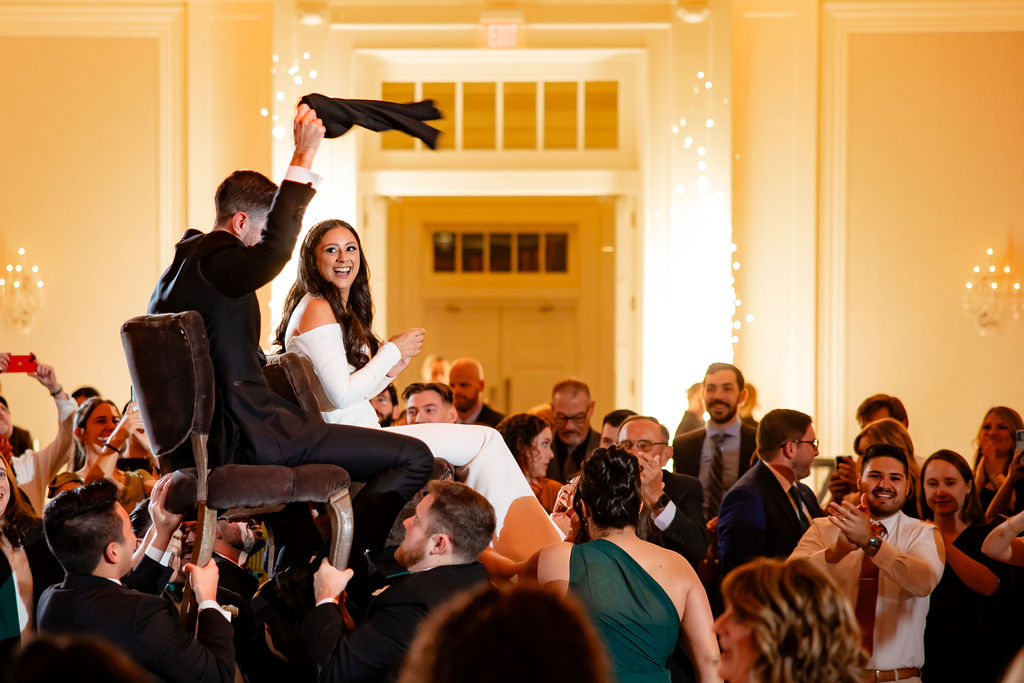
Laughter, applause, surprise, and emotional responses help communicate what the moment felt like.
Positioning yourself where both the speaker and audience can be observed makes it easier to capture these reactions.
Document Networking Moments
At business and corporate events, networking can be one of the main reasons guests attend.
Photographs of people exchanging ideas, introducing themselves, or participating in small group conversations can reflect the purpose of the event.
These images can also be valuable for future promotional material because they demonstrate engagement rather than simply showing the venue.
Include Wider Scene Photos
Close-up interactions are important, but wider images help provide context.
Photograph the room when it is full, including the arrangement of tables, stage areas, displays, and groups of guests.
Wide shots establish scale and show how the event space was used.
Combining these with detailed and candid images creates a more complete visual record.
Watch for Unplanned Moments
Some memorable moments are impossible to schedule.
A spontaneous reaction, unexpected conversation, or humorous interaction may become one of the strongest images from the event.
Stay observant instead of focusing only on the official program.
Being ready for unscripted moments is one of the biggest differences between basic event documentation and compelling event storytelling.
Photograph Different Groups
Avoid capturing the same people repeatedly.
Move through different parts of the venue and look for interactions among a variety of guests.
At corporate events, this may include employees, executives, clients, speakers, vendors, and visitors.
Balanced coverage helps ensure that the final collection represents the entire event rather than only the people closest to the main activity.
Use Different Perspectives
Changing position can make event images more visually interesting.
Photograph from higher or lower angles when appropriate, move closer for details, and step farther away for environmental scenes.
Doorways, architectural features, or decorative elements can sometimes be used to frame subjects naturally.
Variety in perspective can make a final gallery feel more dynamic.
Capture Transitions
Events usually have several distinct stages.
Guests may move from registration to a presentation, from a meal to entertainment, or from formal activities into networking.
Photographing these transitions helps connect different parts of the story.
Images of people moving through the venue can also create a sense of energy.
Include Staff and Vendors When Appropriate
The people working behind the scenes contribute significantly to successful events.
Catering teams, bartenders, coordinators, technical crews, and other vendors may be worth documenting, particularly when their work is visually interesting.
These photos can provide another perspective on the amount of preparation involved.
They may also be useful for vendors who want to document their participation.
Use Group Photos Selectively
Formal group photographs still have value.
Important teams, families, speakers, executives, or sponsors may want at least one carefully organized photo.
However, these should complement rather than replace candid coverage.
Keeping formal group sessions efficient prevents them from disrupting the flow of the event.
Pay Attention to Lighting Changes
Lighting can change substantially as an event progresses.
Natural daylight may disappear, room lights may be dimmed, or stage lighting may become more prominent.
Photographers should adjust their approach as conditions change.
Understanding the lighting in advance can also help identify where important moments should be captured.
Capture Entertainment and Activities
Performances, demonstrations, games, or other activities often produce strong guest reactions.
Try to photograph both the activity itself and the people watching it.
A performer without an audience reaction may not fully communicate the atmosphere.
Combining both perspectives gives a better sense of the experience.
Respect Guests’ Comfort
Not everyone wants to be photographed constantly.
Event coverage should remain professional and respectful.
If a guest clearly appears uncomfortable, it is usually better to move on rather than force the interaction.
This is particularly important at private or corporate events where guests may have different expectations around photography.
Keep the Background in Mind
A good interaction can be weakened by a distracting background.
When possible, reposition slightly to remove clutter, empty dishes, signs, or unrelated activity behind the subject.
Small changes in angle can significantly improve the final image without interrupting the moment.
Capture the End of the Event
The final stages of an event are often overlooked.
Photographing guests saying goodbye, exchanging final conversations, or leaving the venue can provide a natural conclusion to the visual story.
For celebrations, the ending may include a final dance, dessert, or group moment.
These photographs help the collection feel complete.
Organize Images Around the Event Story
After the event, think about how the images work together rather than evaluating each one individually.
A strong collection might begin with venue details and arrivals, move into conversations and formal activities, and finish with the closing moments.
This sequence makes it easier for someone who was not present to understand how the event unfolded.
Balance People, Details, and Atmosphere
The best event coverage usually combines several types of images.
Guest interactions provide emotion, detail photographs show preparation, and wide images communicate atmosphere.
Too much focus on any one category can make the final collection feel incomplete.
A balanced approach creates a more accurate representation of the experience.
Conclusion
Capturing guest interactions and important event details requires observation, preparation, and an understanding of how the event will unfold.
The strongest images often come from genuine conversations, reactions, and spontaneous moments rather than only from scheduled activities.
By combining candid interactions with venue details, food and beverage presentation, wide scenes, and key program moments, event coverage can preserve both what happened and how the occasion felt.
X
X
Are you ready to party?
Reach out today!
We'd love to show you how we can be the perfect photographers for capturing your wedding day or portraits. You bring yourself, and we'll bring the goods to create incredible images that will last a lifetime.



Add a comment
Comments Off on How to Capture Guest Interactions and Important Event Details